Born in San Fernando Valley of California and raised by indigenous immigrant Filipino parents, I enjoyed two decades of life sparked by an abundance of opportunities, security, and freedom. I am a second-generation Filipina American and as such, my culture integrates a lot of the Filipino values I gained from my parents within contemporary American contexts.
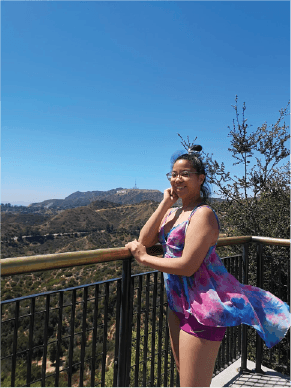
Sometimes, we ate home-cooked meals and rice with our hands and ended the night huddled together on the floor of our living room. Sometimes, we attended events at Hollywood settings and explored the paths of Griffith Park. Yet, the most unique memories include moments where our family and community came together to celebrate holidays and be proud of who we are.
As an American, Los Angeles, California is my home, and it will always be in my heart. It is a haven for diversity, from cultural backgrounds and identity expressions to the rise of media, art, and music that instilled the core of my being.
However, throughout much of my childhood, I struggled with assimilation as white privileged teachers disciplined me for using my native tongue and peers laughed at me for being "a Mexican of Asia" due to the earthy color of my skin. Municipal boundaries may seem invisible, but I could feel the changes as I walked the fine lines of socioeconomic and cultural statuses between Van Nuys and Valley Glen, knowing that people on the other side were not minority populations struggling to survive, let alone keep their cultures alive. The intersectionality of these issues boiled as my parents split up when I was 10; and, while my mental health was not formally diagnosed or treated due to my ability to assimilate and maintain the Asian ‘model minority’ in my communities, it made me the person I am today.

My traumatic experiences led to my honor of true mindfulness, meditation, Vedic yoga, Buddhism, and Filipino collective attachments. It means understanding what my ancestors went through to be here, and to hold their traditions even though our environments have changed. It means recognizing the way that I serve others before myself, and focusing on minimalist, sustainable living for the good of those around me and the environment we inhabit. It means being engaged in a lifelong process of empowering myself and teaching others, even when it's culturally exhausting, because my Filipino-American identity, is unique and powerful. It means being a mental health professional, yoga teacher, and freelance artist who is constantly engaging social justice advocacy and mental health education so that our voices are recognized and strengthened.
I am currently studying for a MA Art Therapy/Counseling degree, and I work to support Asian and Asian-American people who may resonate with my experiences. By handling Asian, Asian-American, and American mental health services with dignity and respect, we can prosper through culturally appropriate healing.
